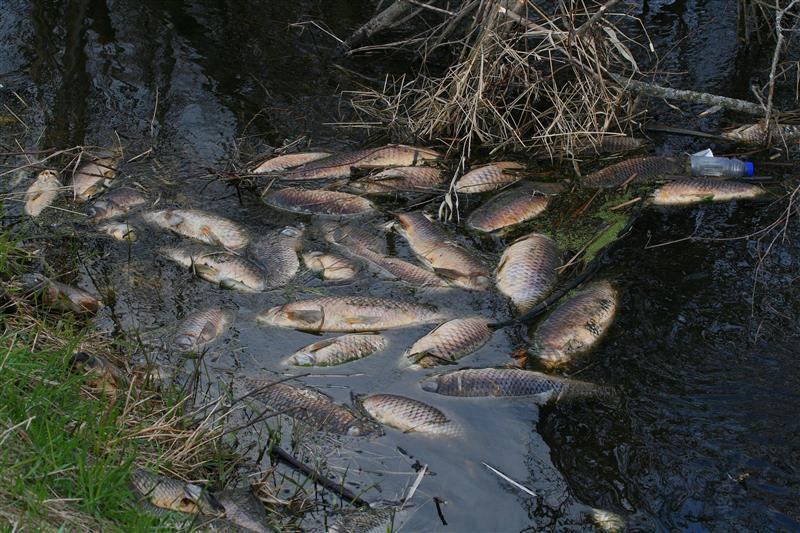
Spring fish kills are a common concern for pond and lake owners across the southern United States. In Alabama, Georgia, and Arkansas, changing temperatures and early-season storms can put significant stress on aquatic systems. While finding fish along the shoreline can be alarming, these events are often tied to predictable environmental shifts.
Understanding what causes spring fish kills and taking proactive management steps can significantly reduce fish loss and protect long-term water quality.
What Causes Spring Fish Kills in the South?
Unlike northern regions, where extended ice cover is the primary concern, southern ponds face rapid temperature swings, heavy rainfall, and sudden water mixing. Most spring fish mortality events are linked to low dissolved oxygen, environmental stress, and fish population imbalance.
-
Low Dissolved Oxygen
Dissolved oxygen is the most critical factor in fish survival. During cooler months, organic debris such as leaves, algae, and plant material continues to break down in the water. This decomposition consumes oxygen.
As temperatures begin to rise in early spring, fish become more active, and their oxygen demand increases. At the same time, sudden weather changes or cloudy days can reduce oxygen production. Shallow ponds are especially vulnerable because they contain less overall oxygen volume. When oxygen levels drop quickly, fish can suffocate.
-
Temperature Fluctuations and Turnover
Southern ponds often experience rapid warming followed by cold fronts. These swings can disrupt normal temperature layering in the water. When surface water mixes with lower oxygen bottom water, oxygen levels can decline throughout the pond.
Heavy spring rains can also contribute to mixing events, washing in nutrients and organic matter that further increase oxygen demand. Without adequate circulation, these sudden changes may lead to fish stress or mortality.
-
Post Winter Stress and Spawning
Fish enter spring after months of limited feeding and environmental strain. As water warms, spawning activity begins, and fish expend additional energy. This increased biological demand can weaken immune systems.
When low oxygen conditions occur alongside spawning stress, fish become more susceptible to bacterial and fungal infections. Mortality rates often rise when multiple stress factors overlap.
-
Fish Population Imbalance
Overstocked ponds create competition for food and increase overall oxygen demand. Fish that enter spring in poor condition are less able to tolerate environmental fluctuations.
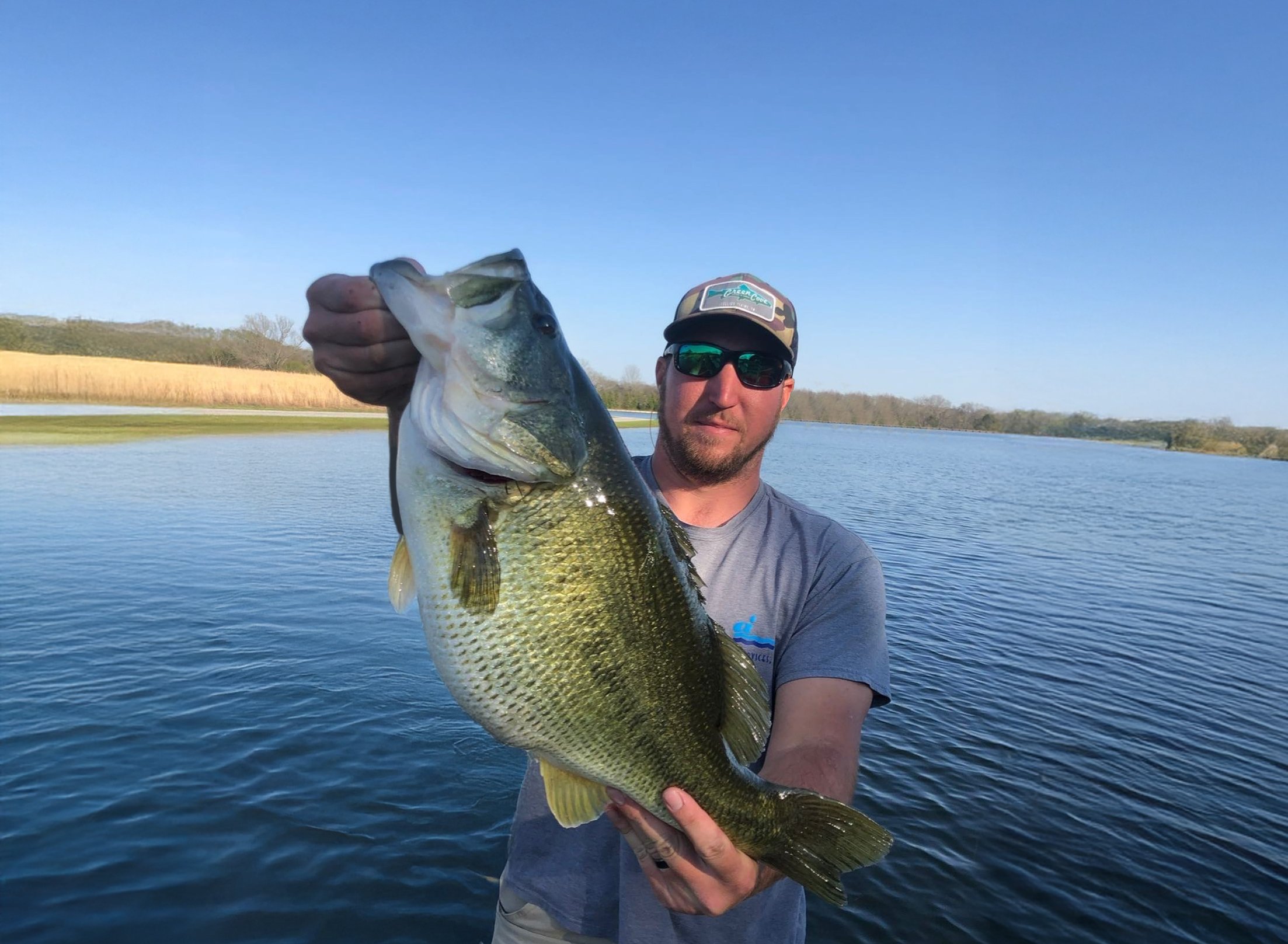
Maintaining balanced predator to forage ratios supports a healthier ecosystem. Predator species such as bass rely on forage fish like fathead minnows and golden shiners. Too many forage fish increase biomass and oxygen consumption, while insufficient forage weakens predator populations. Balanced fisheries are more resilient during seasonal transitions.
How to Reduce the Risk of Spring Fish Kills
Although weather patterns cannot be controlled, proactive pond management can dramatically lower the likelihood of spring fish loss.
-
Install and Operate Aeration
A properly designed aeration system is one of the most effective ways to maintain stable oxygen levels. Bottom diffused aeration circulates water, reduces stratification, and helps prevent sudden oxygen crashes during temperature swings. Surface aerators and fountains also increase oxygen transfer while improving the appearance of the pond. Aqua Services offers flexible aeration leasing options, making this important investment more manageable and budget-friendly for your pond or lake.
-
Manage Nutrient Levels
Excess nutrients, especially phosphorus and nitrogen, fuel algae growth. When algae die and decompose, oxygen is consumed in the process. Reducing fertilizer runoff, stabilizing shorelines, and limiting organic debris can help manage nutrient inputs and improve overall water clarity.
-
Address Sediment and Organic Buildup
Over time, ponds accumulate nutrient-rich sediment and muck. This material increases oxygen demand and reduces depth, making ponds more sensitive to rapid temperature shifts. Professional dredging can restore volume and improve long-term water quality.
- Monitor Water Quality
Routine testing of dissolved oxygen, pH, and nutrient levels allows for early detection of potential problems. Shallow ponds under eight feet deep require especially close monitoring during seasonal transitions.
-
Fisheries Management
Balanced fish populations are essential for long-term pond health. Strategic fish stocking maintains proper predator-to-forage ratios, prevents overcrowding, and supports strong fish condition entering winter.
Annual forage stocking improves predator nutrition, distributes biomass more evenly, and reduces biological stress. When combined with aeration and nutrient control, fishery management significantly lowers the likelihood of spring fish kills.
Protect Your Pond with Professional Management
Spring fish kills in the South are often driven by rapid environmental change, but most can be prevented with a science-based management plan. Aeration, nutrient control, sediment management, and balanced fisheries work together to support year-round stability.
Aqua Services provides customized pond and lake management solutions throughout Alabama, Georgia, and Arkansas. From aeration system installation to water quality programs and fisheries management, our team delivers practical, long-term strategies that protect aquatic health.
If you want to reduce the risk of spring fish kills and prepare your pond for the season ahead, contact Aqua Services to schedule a professional assessment and build a proactive management plan.
About Aqua Services, A Jones Lake Management Partner
Since 1983, Aqua Services has been a trusted leader in lake and pond management, delivering scientifically backed solutions to create and maintain healthy, balanced, and beautiful waterbodies. As a Jones Lake Management Partner, our team specializes in a full range of services to include algae and aquatic weed control, aeration systems, water quality monitoring, fisheries management, hydraulic dredging, invasive species control, and shoreline restoration. We work with HOAs, municipalities, golf courses, and private lake owners throughout Alabama, Arkansas, and Georgia to maintain balanced and thriving aquatic environments through science-based and sustainable management practices. Visit us at www.asilakemanagement.com