When temperatures drop and ice begins to cover your pond, winter becomes one of the most challenging seasons for aquatic life. Across the Southeast, unexpected cold snaps can quickly reduce oxygen levels and put fish at risk. Without proper winter pond management, oxygen depletion can cause a devastating winter fish kill. Taking the right steps now ensures healthier fish, a more stable ecosystem, and long-term pond performance.
Why Winter Fish Kills Occur
Even throughout the Southeast, where winters are milder, rapid temperature swings and short freeze periods can still cause oxygen crashes beneath thin ice. When ponds are sealed off, even temporarily, sunlight penetration decreases, and oxygen exchange stops.
Organic material, such as leaves, muck, dead vegetation, and algae, continues breaking down, consuming what little oxygen remains. When oxygen levels fall too low, fish suffocate under the ice.
Winter fish kills are most common in:
- Shallow ponds
- Nutrient-rich ponds
- Ponds with algae blooms or poor water clarity
- Ponds with accumulated sludge or organic debris
If your pond struggled with blue-green algae, aquatic weed growth, or murky water during the summer, winter can pose added risks, even in the warmer Southeast climate.
Aeration: Your Best Winter Pond Protection
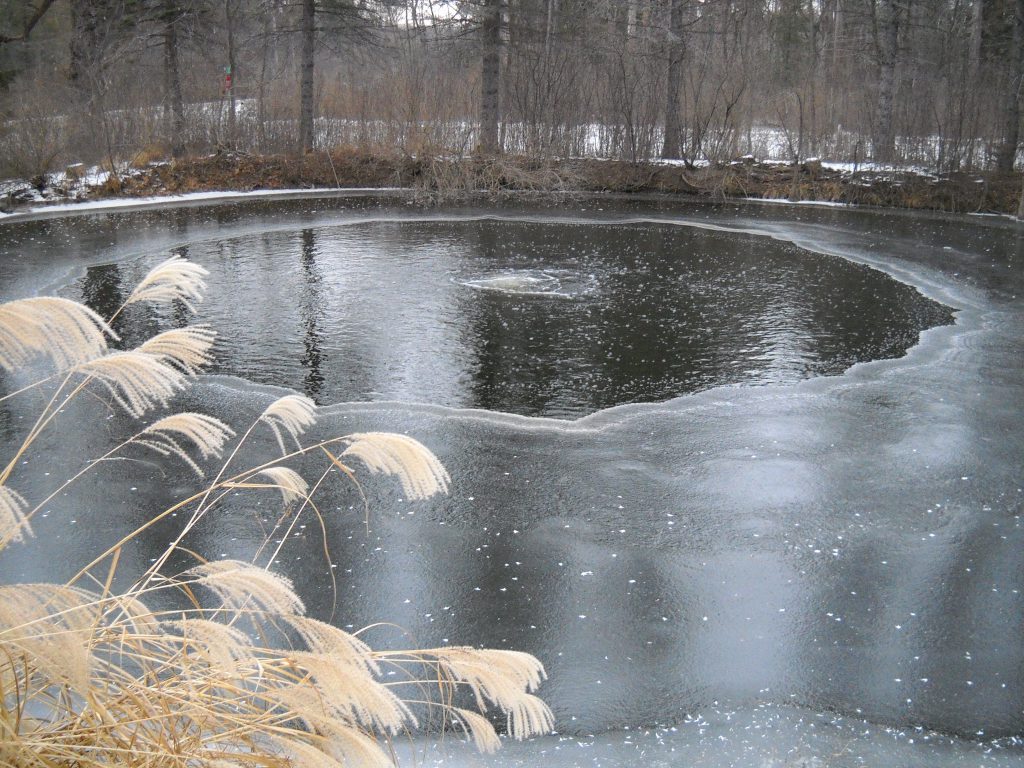
A diffused aeration system is one of the most reliable ways to prevent winter fish kills throughout the Southeast. Aeration helps keep a section of the surface open, allowing essential gas exchange and maintaining healthier oxygen levels.
Winter aeration tips:
- Run aeration year-round, adjusting diffuser placement when temperatures drop. In some Southeast regions where freezes are short-lived, maintaining surface circulation is often enough to protect fish.
- Inspect your aeration system before cold weather arrives. Ensure compressors, diffusers, air lines, and electrical components are functioning properly.
A well-maintained aeration system reduces toxic gas buildup and keeps fish healthy until spring.
Reduce Organic Material Before Ice Forms
Whether you’re in the deep South or the northern edge of the Southeast, preparing your pond in the fall is key to preventing winter oxygen loss.
Important steps include:
- Removing leaves, dead plants, and shoreline debris to reduce nutrient overload.
- Cutting back emergent vegetation such as cattails and phragmites.
- Applying cold-water beneficial bacteria, which continue breaking down sludge in temperatures below 52°F. These treatments help keep ponds cleaner and oxygen levels more stable all winter long.
Less organic material means healthier water and reduced stress on your fish during winter.
Ice Safety for People, Pets, and Property
While the Southeast doesn’t see long, deep freezes, thin ice can still form quickly during cold snaps—creating unexpected hazards. Aeration systems make these risks even more unpredictable.
Keep your pond safe by following these precautions:
- Never walk on aerated ponds, even if ice appears solid.
- Mark open water and thin-ice zones with posts, flags, or rope barriers.
- Keep pets leashed and children away from pond edges during cold weather.
- Avoid snow-covered ice, which hides weak spots.
- Store rescue tools such as a rope, pole, or throw ring near the pond.
Even brief freeze events in the Southeast can create dangerous conditions.
Year-Round Pond Protection Starts Now
A consistent management plan is the best way to safeguard your pond. Aqua Services offers customized aeration programs, water quality testing, beneficial bacteria treatments, and seasonal pond maintenance tailored to the region’s unique climate.
Prepare your pond for winter before cold weather arrives.
About Aqua Services, A Jones Lake Management Partner
Since 1983, Aqua Services has been a trusted leader in lake and pond management, delivering scientifically backed solutions to create and maintain healthy, balanced, and beautiful waterbodies. As a Jones Lake Management Partner, our team specializes in a full range of services to include algae and aquatic weed control, aeration systems, water quality monitoring, fisheries management, hydraulic dredging, invasive species control, and shoreline restoration. We work with HOAs, municipalities, golf courses, and private lake owners throughout Alabama, Arkansas and Georgia to maintain balanced and thriving aquatic environments through science-based and sustainable management practices.