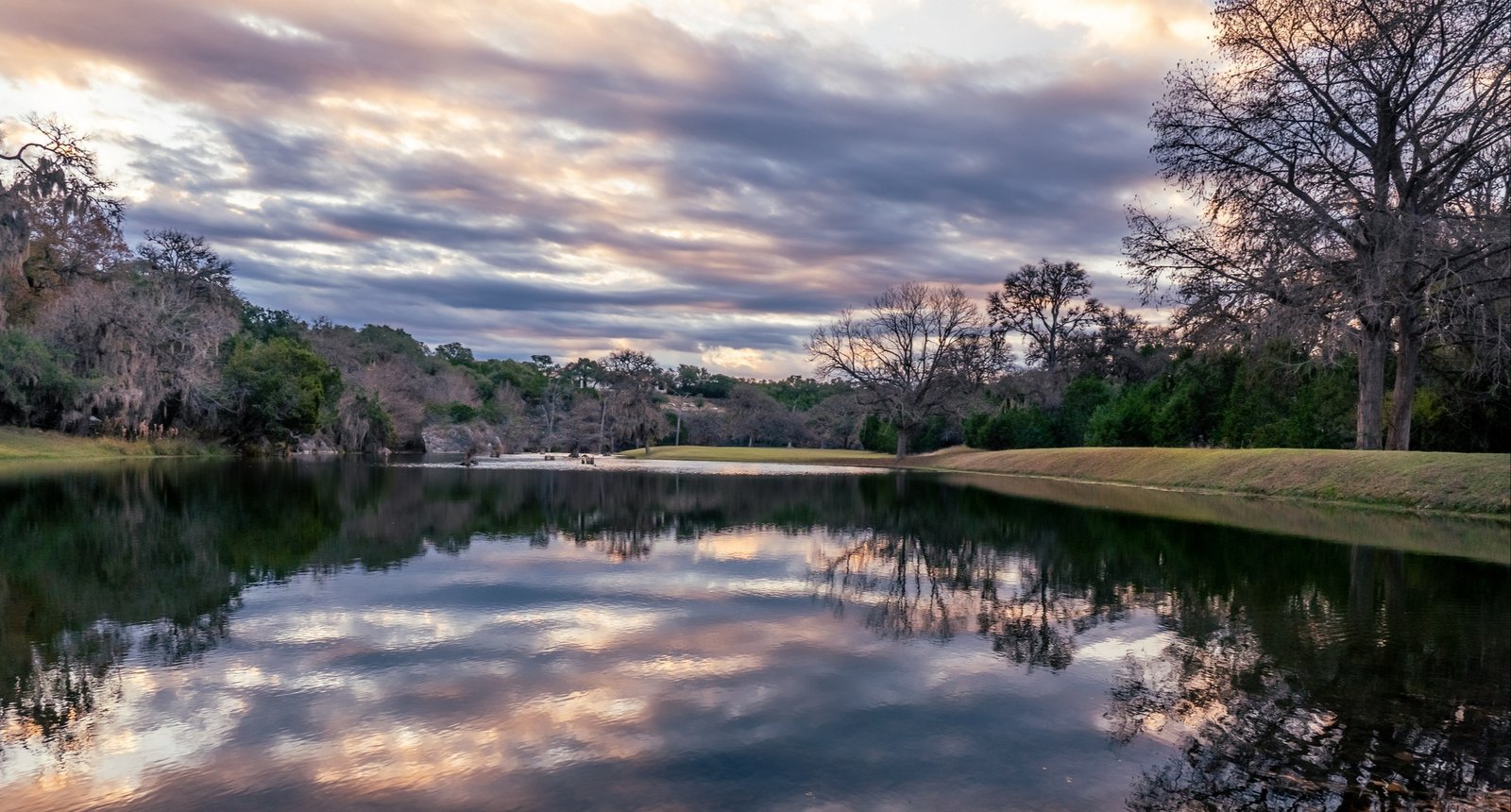
Though temperatures are warming after the cold of winter in the Southeast, seasonal changes still impact pond health. Cooler water, reduced biological activity, and occasional freezing conditions can affect water quality and fish survival. A proactive winter pond maintenance plan helps protect your pond now and prepares it for a strong, healthy spring.
From vegetation control to aeration and nutrient management, following a winter checklist allows you to address issues before they become costly problems.
Below are the most important winter pond maintenance tasks to focus on this season.
1. Cattail Cutting and Vegetation Removal
Cattails and other emergent plants often die back as winter sets in, leaving behind dense mats of decaying vegetation. If left untreated, this organic material sinks to the pond bottom, contributing to muck buildup and excess nutrients.
Winter removal helps keep shorelines accessible, improves pond aesthetics, and reduces the nutrients that fuel spring algae growth. Regular vegetation management is a key component of long-term aquatic weed control and overall pond health in Southern ponds.


2. Diffuser Placement for Winter Aeration
If your pond uses a diffused aeration system, winter is the time to evaluate diffuser placement. During warmer months, diffusers are typically placed in deeper water for full circulation. In winter, however, repositioning them to shallower areas can help prevent over-mixing and reduce stress on fish during cold snaps.
Shallow aeration also supports gas exchange, helping maintain oxygen levels throughout the season. Proper winter aeration is especially important in the South, where fluctuating temperatures can create unstable water conditions.
3. Fish Stocking
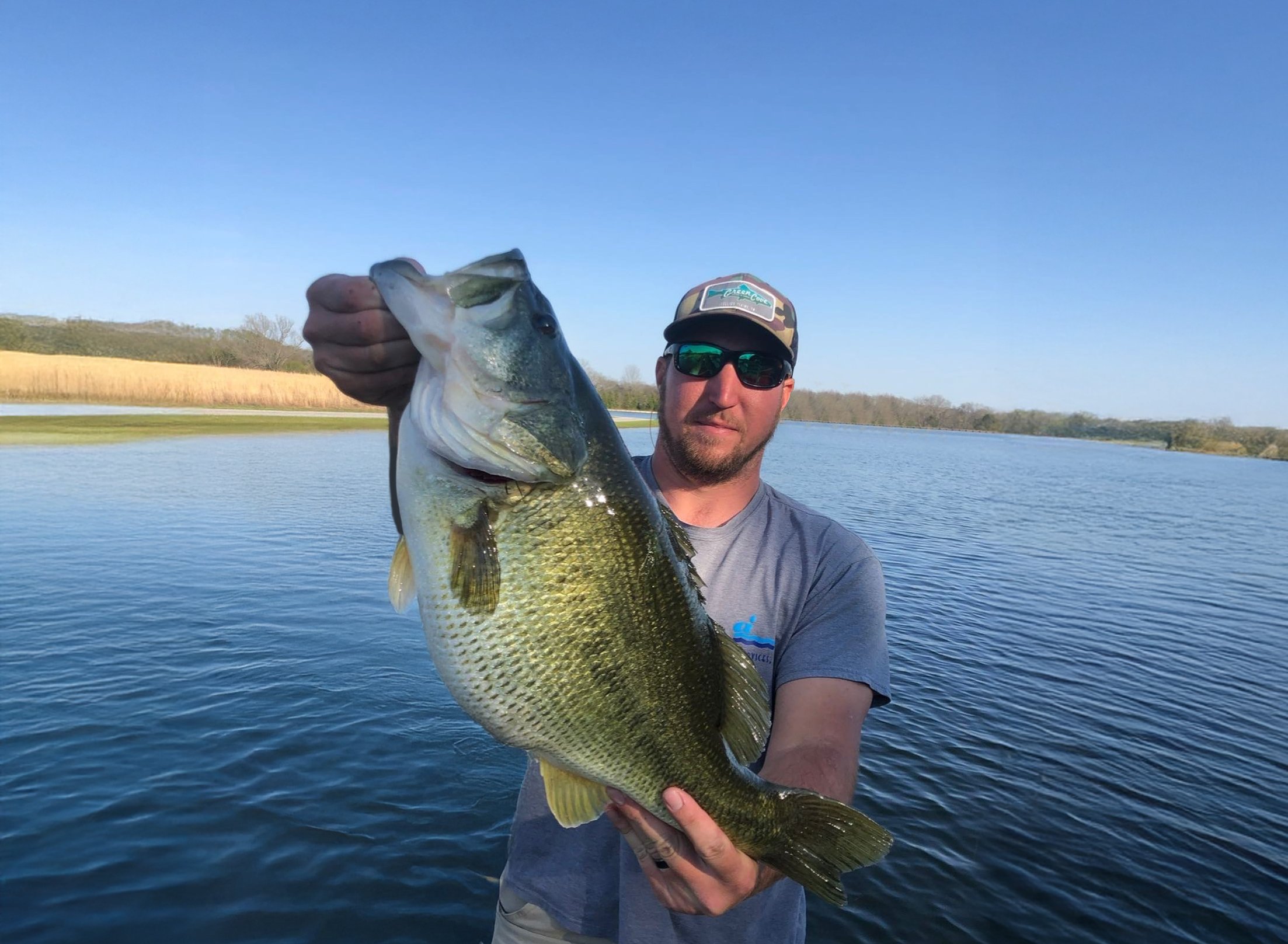
Late fall, early winter, and spring are ideal times for fish stocking in Alabama, Arkansas, and Georgia ponds. Adding forage species such as minnows helps support predator fish through the cooler months and strengthens the food chain. Some pond owners also choose to stock cool-water species, depending on pond conditions and management goals. Planning fish stocking during the winter months positions your pond for healthier fish growth and better fishing opportunities in spring.
4. Targeted Hydraulic Dredging
Winter offers favorable conditions for targeted hydraulic dredging, especially with reduced vegetation and algae growth. Removing sediment from problem areas restores depth, improves water circulation, and reduces nutrient accumulation.
Targeted dredging helps prevent springtime algae blooms, improves shoreline access, and extends the long-term function and lifespan of your pond.


5. Fountain Winterization or Diffuser Support
Floating fountains enhance pond aesthetics and circulation during warmer seasons, but winter maintenance is essential to prevent damage. In the Southeast, fountains may not always need to be removed, but they should be inspected carefully.
Winter is an ideal time to remove debris, check electrical components, inspect hoses and cords, and complete recommended pump oil and seal servicing. In some cases, pond owners choose to keep fountains in place by positioning a diffuser beneath them to maintain water movement and reduce ice formation during cold snaps. Always consult manufacturer guidelines before leaving equipment in the water through winter.
6. Nutrient Management with Bacteria and Phosphorus Binding
Winter is an effective time to manage nutrients that contribute to algae growth once temperatures rise. Beneficial bacteria help break down organic material on the pond bottom, improving water clarity and reducing muck.
In ponds with elevated phosphorus levels, phosphorus-binding treatments can further limit algae’s primary food source. Addressing nutrient issues during winter supports clearer water and healthier conditions in the spring.
Final Thoughts
A proactive winter pond maintenance plan protects your investment and helps avoid avoidable problems later in the year. From vegetation removal and aeration adjustments to dredging, fish stocking, fountain care, and nutrient management, these seasonal steps support a balanced and resilient pond ecosystem.
With the right approach this winter, your pond will enter spring healthier, cleaner, and ready to thrive.
About Aqua Services, A Jones Lake Management Partner
Since 1983, Aqua Services has been a trusted leader in lake and pond management, delivering scientifically backed solutions to create and maintain healthy, balanced, and beautiful waterbodies. As a Jones Lake Management Partner, our team specializes in a full range of services to include algae and aquatic weed control, aeration systems, water quality monitoring, fisheries management, hydraulic dredging, invasive species control, and shoreline restoration. We work with HOAs, municipalities, golf courses, and private lake owners throughout Alabama, Arkansas and Georgia to maintain balanced and thriving aquatic environments through science-based and sustainable management practices. Visit us at www.asilakemanagement.com