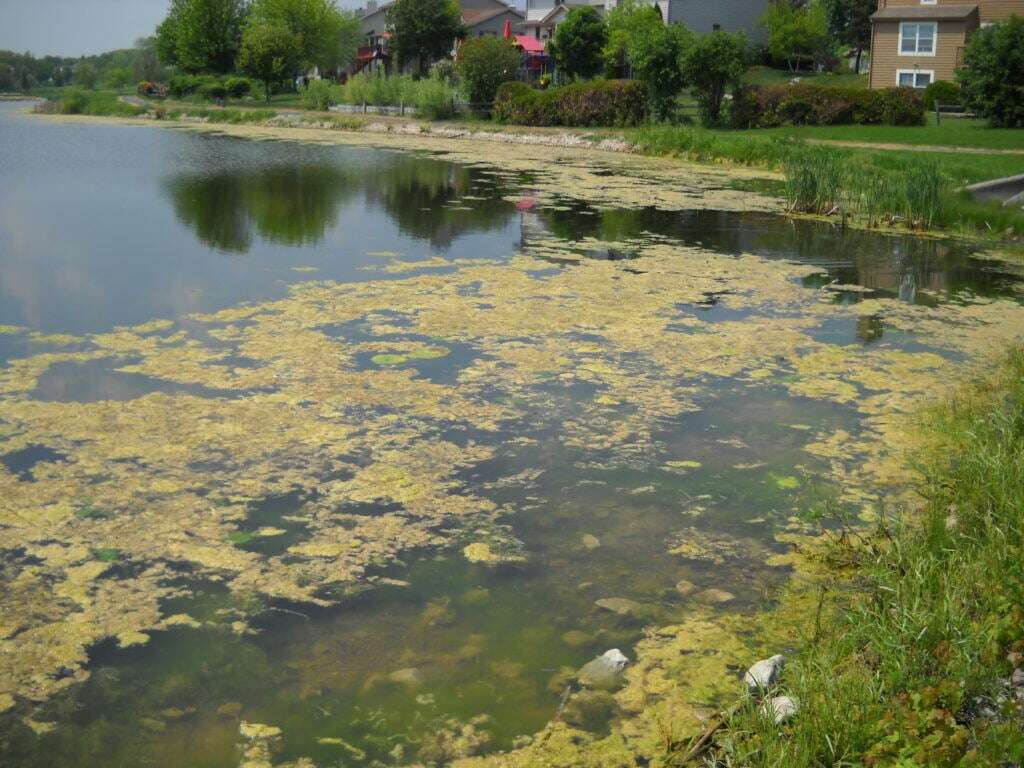
Across Alabama, Arkansas, and Georgia, pond and lake owners frequently deal with algae growth during the warmer months. The Southeast’s long growing season, heavy rainfall, and nutrient-rich soils create ideal conditions for algae development. When excess nutrients enter a pond or lake, they act like fertilizer, allowing algae to grow quickly and sometimes form visible surface blooms.
The good news is that many algae problems can be minimized with proactive nutrient management practices. By reducing the amount of phosphorus and nitrogen entering the water, property owners can improve water quality and maintain a healthier aquatic environment.
Below are several regional nutrient management tips that can help pond owners throughout AL, AR, and GA protect water quality and limit excessive algae growth.
Algae’s Role in the Pond Ecosystem
While heavy algae growth can be frustrating for pond owners, it’s important to remember that algae is a natural and beneficial part of aquatic ecosystems. Algae absorbs nutrients such as nitrogen and phosphorus from the water while producing oxygen during photosynthesis. In balanced systems, algae helps regulate nutrient levels and supports the base of the aquatic food chain.
Problems typically occur when nutrient levels become too high, allowing algae to grow faster than the ecosystem can naturally balance. That’s why long-term pond health depends on controlling nutrient inputs rather than focusing only on visible algae.
1. Manage Fertilizer Use Around Ponds
One of the most common nutrient sources in ponds throughout the Southeast is lawn and landscape fertilizer runoff. During heavy spring and summer rains, fertilizer applied to lawns, gardens, or pastures can easily wash into nearby water bodies.
To reduce this risk:
- Avoid fertilizing within 25–50 feet of pond edges
- Apply fertilizer only when rain is not forecast within 24–48 hours
- Use slow-release fertilizers when possible
- Sweep fertilizer off sidewalks and driveways so it doesn’t wash into storm drains
Because Alabama, Arkansas, and Georgia receive frequent rainfall, managing fertilizer timing is especially important for preventing nutrient runoff.
2. Maintain a Vegetative Buffer
A shoreline buffer zone is one of the most effective ways to capture nutrients before they reach your pond.
Native grasses, shrubs, and other vegetation act as a natural filter that slows runoff and traps sediment containing phosphorus and nitrogen.
For ponds in the Southeast, consider establishing a buffer strip that includes:
- Native warm-season grasses
- Low-growing shrubs
- Natural shoreline plants
A buffer zone of 10–25 feet wide can significantly reduce nutrient inputs while also improving wildlife habitat and stabilizing shorelines.
3. Reduce Organic Debris
Organic materials such as grass clippings, leaves, and yard debris can contribute nutrients as they break down in the water.
In wooded areas of Georgia and Arkansas especially, fall leaf accumulation around ponds can increase nutrient loading over time.
Helpful steps include:
-
Keep grass clippings away from the shoreline
-
Remove large accumulations of leaves near the water
-
Prevent yard waste from being dumped into ponds
Reducing organic inputs helps slow the nutrient cycle that fuels excessive algae growth.
4. Address Watershed Runoff
Everything that drains toward your pond is part of its watershed. In rural areas of Alabama and Arkansas, runoff from pastures, livestock areas, and exposed soil can carry large amounts of nutrients into ponds after storms.
Consider these watershed management practices:
- Stabilize bare soil with vegetation
- Redirect runoff with swales or drainage improvements
- Install erosion control where needed
Understanding how water flows across your property can make a major difference in managing long-term nutrient inputs.
5. Seasonal Pond Inspections & Water Quality Testing
Routine seasonal pond inspections are one of the best ways to catch nutrient issues early. In the Southeast, conditions can change quickly due to heat, rainfall, and runoff patterns.
Professional lake management programs often include:
- Water quality testing for nutrients such as phosphorus and nitrogen
- Monitoring clarity and overall pond conditions
- Inspecting shorelines and inflow areas for erosion or runoff concerns
Regular testing helps identify nutrient trends before they lead to larger water quality problems.
6. Nutrient Management Treatments
When ponds begin accumulating excess nutrients, professional lake managers may recommend water quality treatments designed to bind or manage phosphorus and nitrogen. These treatments can help limit the availability of nutrients in the water column and slow the cycle that fuels recurring algae growth.
Over time, nutrients can also accumulate in bottom sediments. When ponds or lakes become significantly filled with nutrient-rich muck, dredging may be considered as a long-term restoration option. While dredging can restore depth and remove nutrient-laden sediment, it is typically a larger project that requires planning, permitting, and significant investment.
Because of this, many pond owners focus first on preventative nutrient management strategies to extend the life of their waterbody.
Supporting Water Quality with Aeration
Proper pond aeration is another important tool for supporting overall water quality and biological balance. Aeration circulates water and increases dissolved oxygen, helping beneficial biological processes break down organic matter and recycle nutrients within the system. This process can help prevent excess nutrients from accumulating in the water column, where they may otherwise contribute to algae growth.
To make installing and maintaining aeration equipment easier, Aqua Services offers flexible leasing options. Leasing provides pond owners and property managers with reliable equipment, professional maintenance, and ongoing support. This helps ensure systems continue operating efficiently while reducing upfront costs and maintenance responsibilities.
Protecting Your Pond’s Water Quality
Algae is a natural part of any aquatic ecosystem, but excessive growth is often a sign that too many nutrients are entering the water. By focusing on fertilizer management, shoreline buffers, organic debris control, watershed protection, seasonal inspections, water quality testing, and nutrient management strategies, pond owners can take proactive steps to protect their ponds.
If you’re seeing recurring algae issues in your pond or lake in Alabama, Arkansas, or Georgia, the team at Aqua Services can help evaluate nutrient sources and develop a customized lake management plan designed for Southeast conditions.
Managing nutrients today helps protect the long-term health, appearance, and usability of your pond for years to come.