Pond Sediment Control & Dredging in the Southern U.S.
Across the southern United States—from Texas and Louisiana to Georgia, Florida, and the Carolinas—pond and lake owners face a common challenge: sediment buildup. Warm temperatures, frequent rainfall, and nutrient-rich runoff accelerate the accumulation of organic matter, leading to shallow water, poor water quality, and aggressive algae and weed growth.
Understanding how sediment forms, and how to manage it, is essential for maintaining a healthy, functional pond in the South.
What Causes Pond Sediment in Southern Climates?
Sediment accumulation happens faster in southern ponds due to environmental conditions and land use patterns. Common causes include:
- Stormwater runoff and erosion from heavy rains
- Nutrient loading from fertilizers and agricultural activity
- Decaying vegetation and algae in warm water conditions
- Unprotected shorelines prone to soil loss
Over time, this buildup, often called pond muck, reduces depth and creates ideal conditions for aquatic weeds and harmful algal blooms.
Why Sediment Is a Bigger Problem in the South
Southern ponds are especially vulnerable because:
- Longer growing seasons increase organic debris
- Higher temperatures speed up biological activity
- Frequent storms bring more sediment and nutrients
Without proper pond management, sediment can accumulate quickly, reducing depth by inches, or even feet, over just a few years.
Proven Sediment Reduction Strategies
The most effective way to reduce dredging costs is to prevent sediment from building up in the first place. Aqua Services recommends a proactive approach to pond and lake management:
1. Watershed & Runoff Control
Installing buffer zones, silt fences, and erosion control solutions helps reduce sediment entering your pond from surrounding land. This is especially critical in southern regions with heavy rainfall.
2. Pond Aeration Systems
A professionally installed pond aeration system increases oxygen levels, accelerating the breakdown of organic matter. Aeration is one of the most effective long-term solutions for reducing pond muck and improving water clarity.
3. Beneficial Bacteria for Ponds
Applying beneficial bacteria treatments helps digest organic sludge naturally. These treatments are widely used in southern pond management to reduce muck and improve overall ecosystem balance.
4. Routine Debris Removal
Removing leaves, algae, and plant material prevents excess organic matter from settling and contributing to sediment layers.
5. Shoreline Stabilization
Using riprap, native vegetation, or bioengineered solutions protects pond edges from erosion, a major sediment source in the South.
When Pond Dredging Is Necessary
Even with strong management practices, sediment buildup can eventually reach a point where dredging is required.
Signs your pond may need dredging include:
- Noticeably shallow water
- Poor water circulation
- Reduced fish habitat
In southern ponds, where sediment accumulation can happen quickly, early intervention is key.
Spot Dredging vs. Full Pond Dredging
Not every project requires a full-scale dredging operation.
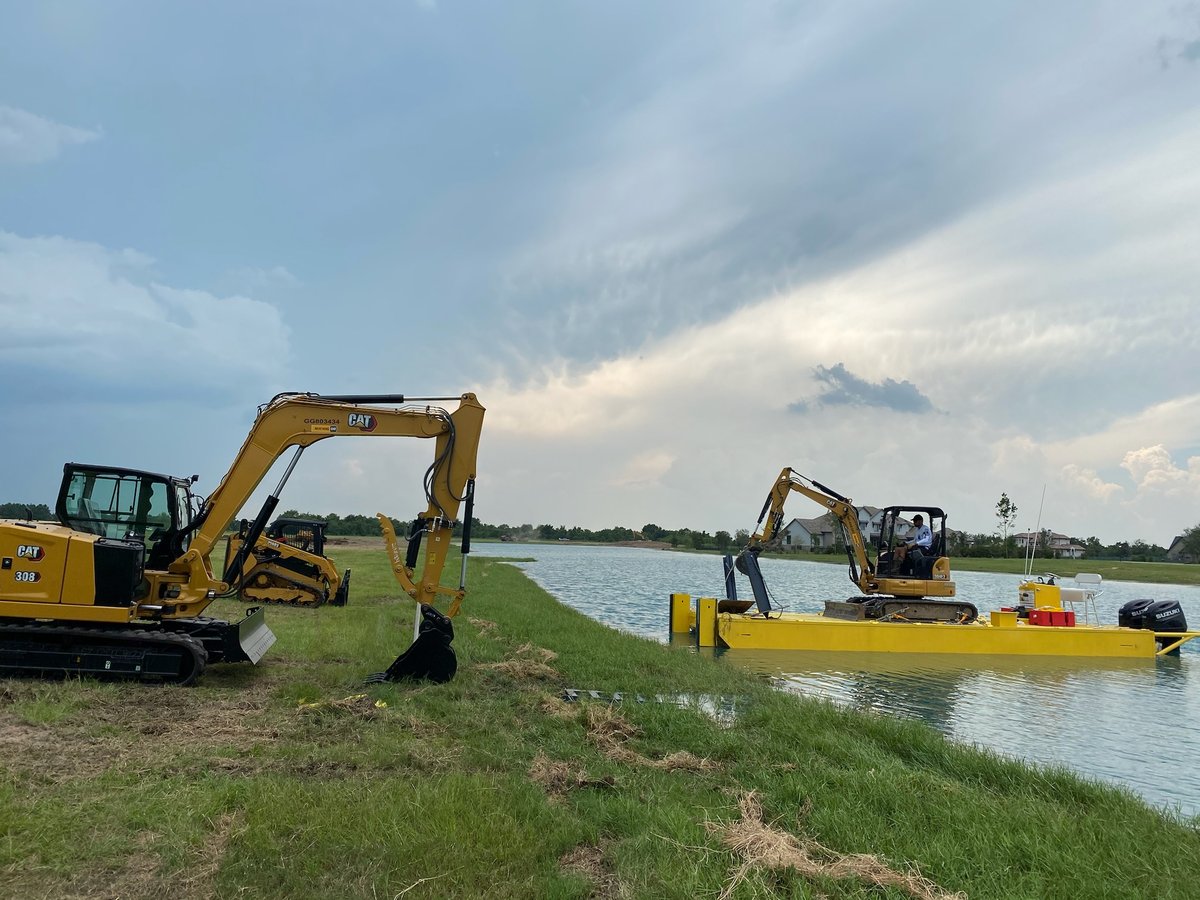
- Spot dredging targets problem areas like inlets, coves, or shallow zones
- Full dredging removes sediment across the entire pond
Spot dredging is often a cost-effective option for southern properties dealing with localized sediment buildup, while full dredging may be necessary for widespread issues.
Cost of Pond Dredging in the Southern U.S.
Pond dredging costs vary widely but are often higher than expected. It depends on:
- Site accessibility
- Disposal requirements
- Permitting regulations
Planning ahead is critical, waiting too long can lead to more expensive, large-scale dredging projects.
Long-Term Pond Management for Southern Properties
The best approach to pond health in the South is a combination of:
- Sediment prevention strategies
- Aeration and biological treatments
- Routine maintenance
- Long-term dredging planning
At Aqua Services, we specialize in pond management, lake aeration, sediment control, and dredging solutions across the southern U.S. Our goal is to help property owners protect their investment while maintaining clean, healthy water.
Final Thoughts
If your pond is filling in, experiencing algae blooms, or losing depth, now is the time to act. Proactive sediment control can extend the life of your pond and delay costly dredging.
And when dredging becomes necessary, having a plan in place ensures the process is efficient, cost-effective, and successful.
About Aqua Services, A Jones Lake Management Partner
Since 1983, Aqua Services has been a trusted leader in lake and pond management, delivering scientifically backed solutions to create and maintain healthy, balanced, and beautiful waterbodies. As a Jones Lake Management Partner, our team specializes in a full range of services to include algae and aquatic weed control, aeration systems, water quality monitoring, fisheries management, hydraulic dredging, invasive species control, and shoreline restoration. We work with HOAs, municipalities, golf courses, and private lake owners throughout Alabama, Arkansas and Georgia to maintain balanced and thriving aquatic environments through science-based and sustainable management practices. Visit us at www.asilakemanagement.com